Daywave

Every morning I wake up and a newsletter I didn't write is already sitting in a few thousand inboxes.
That's Daywave. A daily AI brief for people actually building with this stuff, not watching from the sidelines. Five minutes, every morning. Here's the part nobody guesses: no human touches it. Not the research, not the writing, not the art, not the send. The whole thing runs while I sleep.
I built it because I was drowning.
Every morning was the same ritual. A dozen tabs. Reddit, Hacker News, Product Hunt, X, GitHub trending, company blogs buried under SEO sludge. I'd skim a few hundred posts, keep maybe five that mattered, and do it again the next day. Hours a week, gone.
At some point you stop calling that "keeping up" and start calling it what it is. A chore you haven't automated yet.
What lands in your inbox
Same shape every day. A thesis that ties the morning together. Four stories worth reading, each with a one-line "So What" that tells you why you should care. A few trends. Tools you can actually go try. Quick hits for everything else. One closing thought.
The voice is the whole thing. Opinionated, a little blunt, written for a builder and not a tourist. Getting it consistent was most of the early work. But once you pin it down tight enough, it holds. Every single day.
The pipeline
I'll show you the shape. I'm keeping the recipe.
It pulls from every source each morning and mashes six platforms that agree on nothing into one format it can actually reason about. Raw haul: hundreds of items. Almost all of it is junk.
Then it scores everything and cuts hard. Relevance, novelty, is this a real trend or just one loud tweet. This stage ate more of my time than the rest of the system combined, and it's the whole game. A good newsletter and a forgettable one are separated entirely by what they throw away.
Whatever survives gets written. Not "summarize these links." It reads across the day, finds where the stories connect, and writes the take. The Big Picture is the hardest part: stare at a pile of unrelated events and find the one thread. Some mornings it's obvious. Some mornings it isn't. OpenAI ships a model, Google cuts prices, a repo blows up to 2,000 stars... and something has to notice those rhyme.
The part I'm weirdly proud of
Every issue gets its own hero image. Painted for that day's theme.

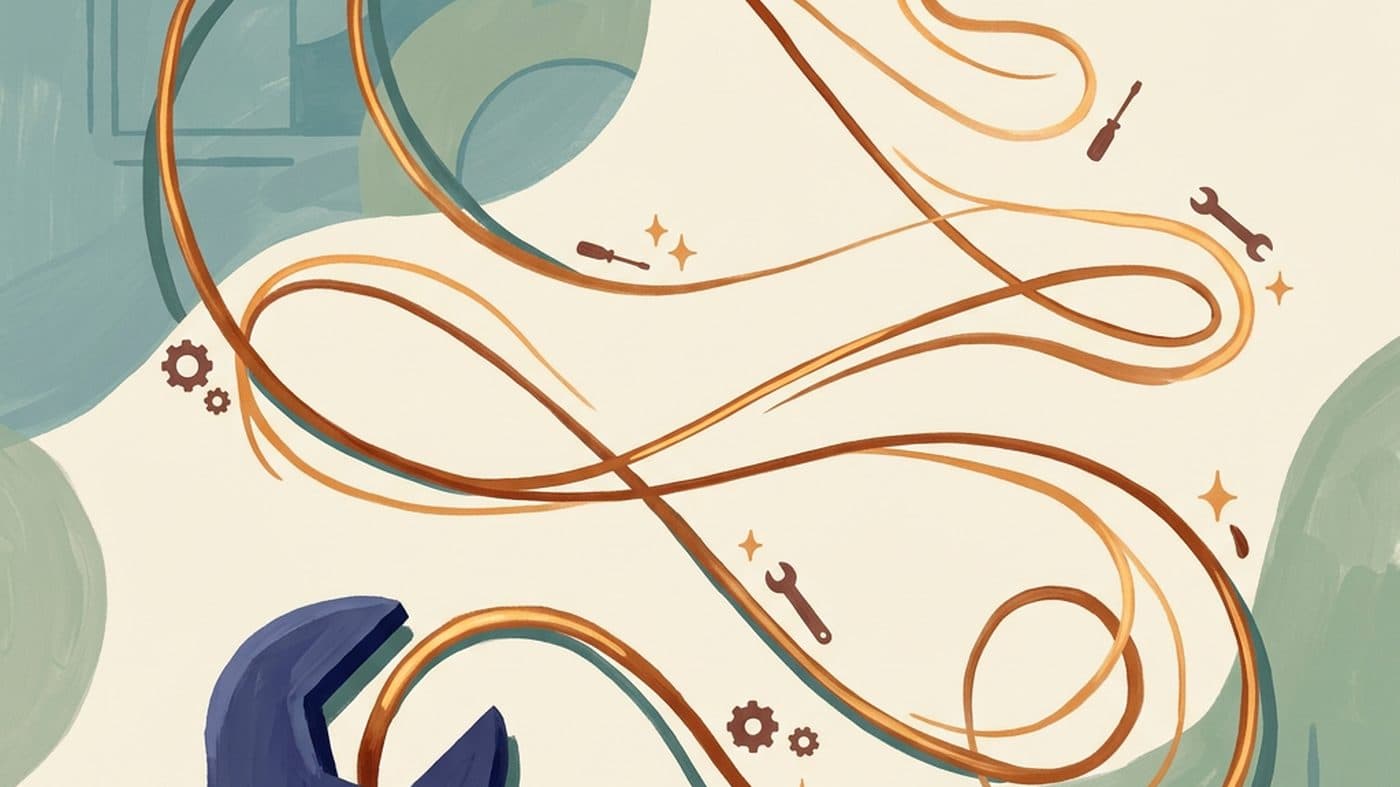
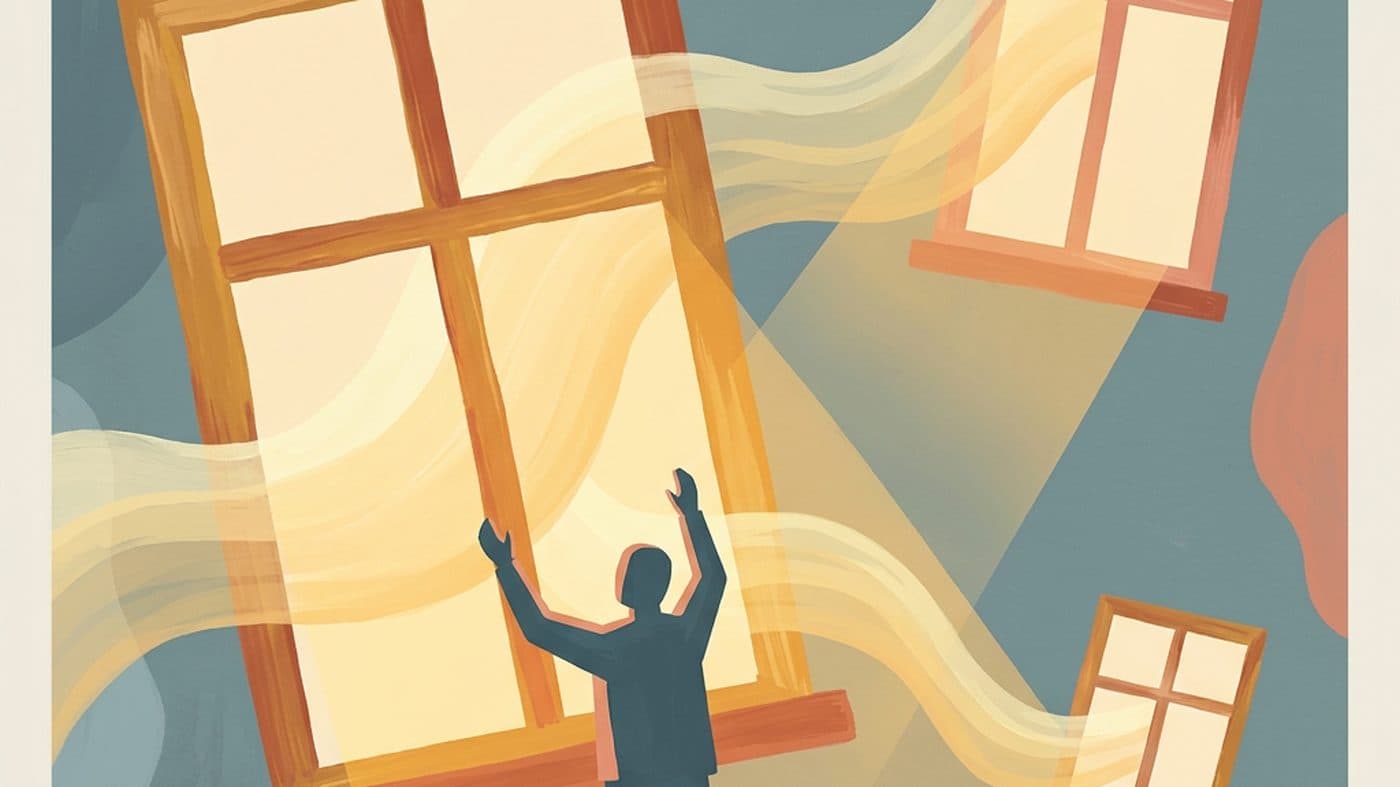
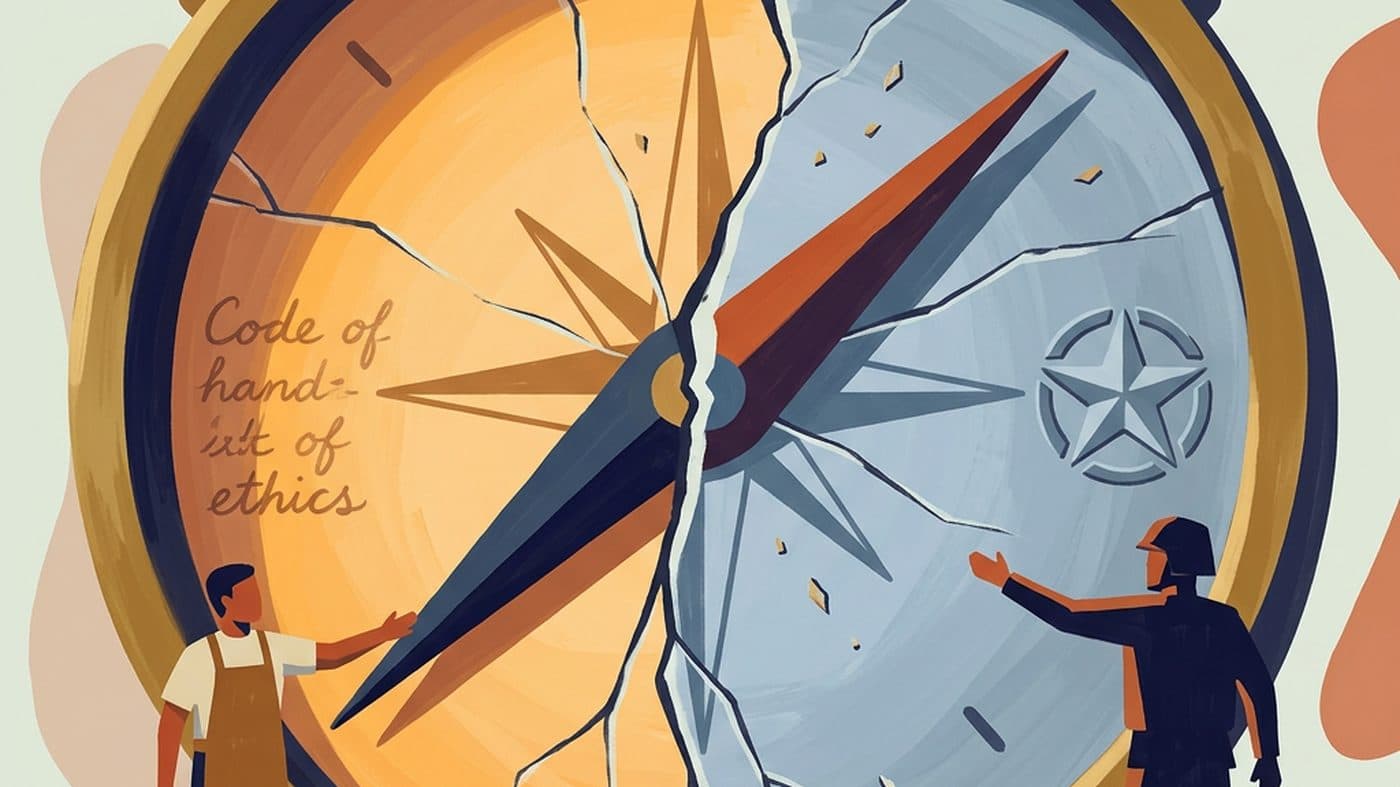
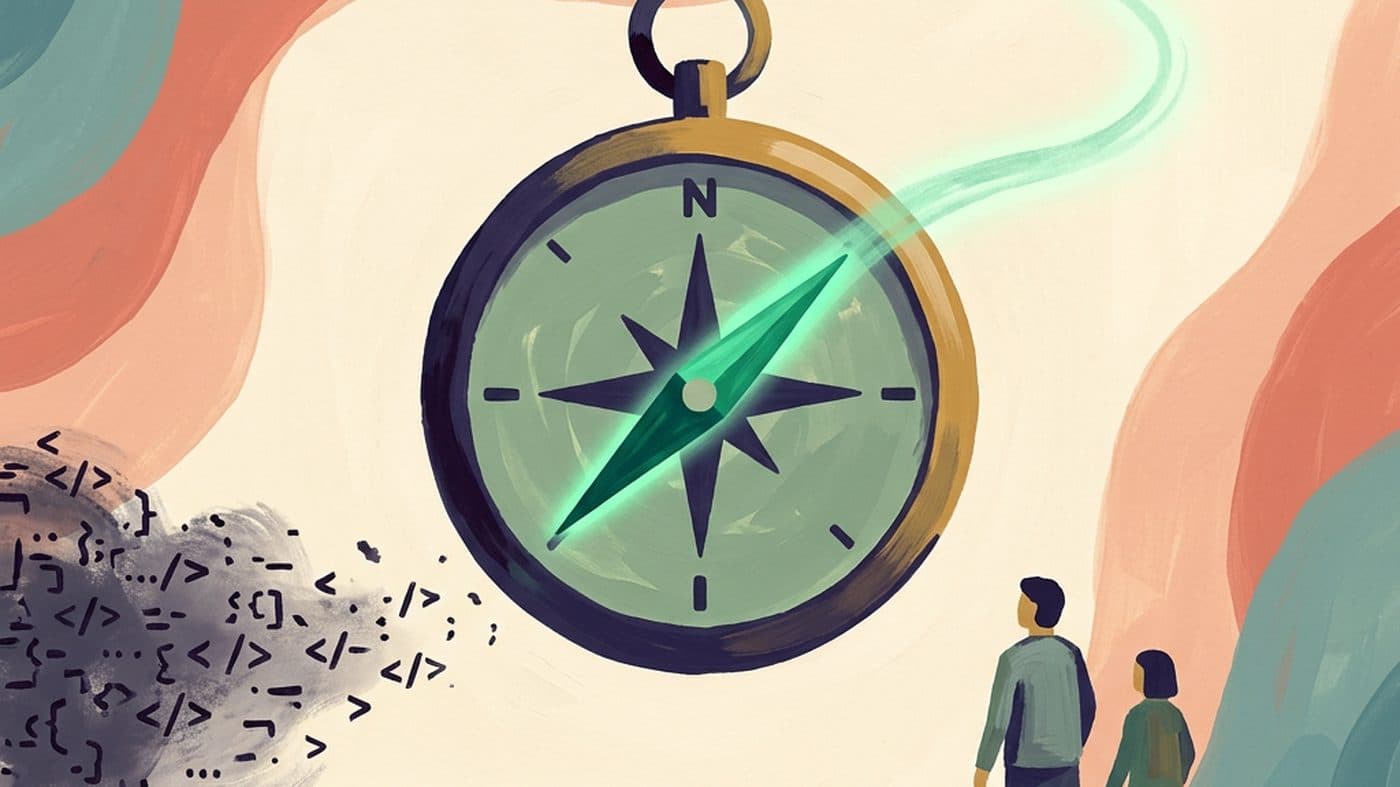
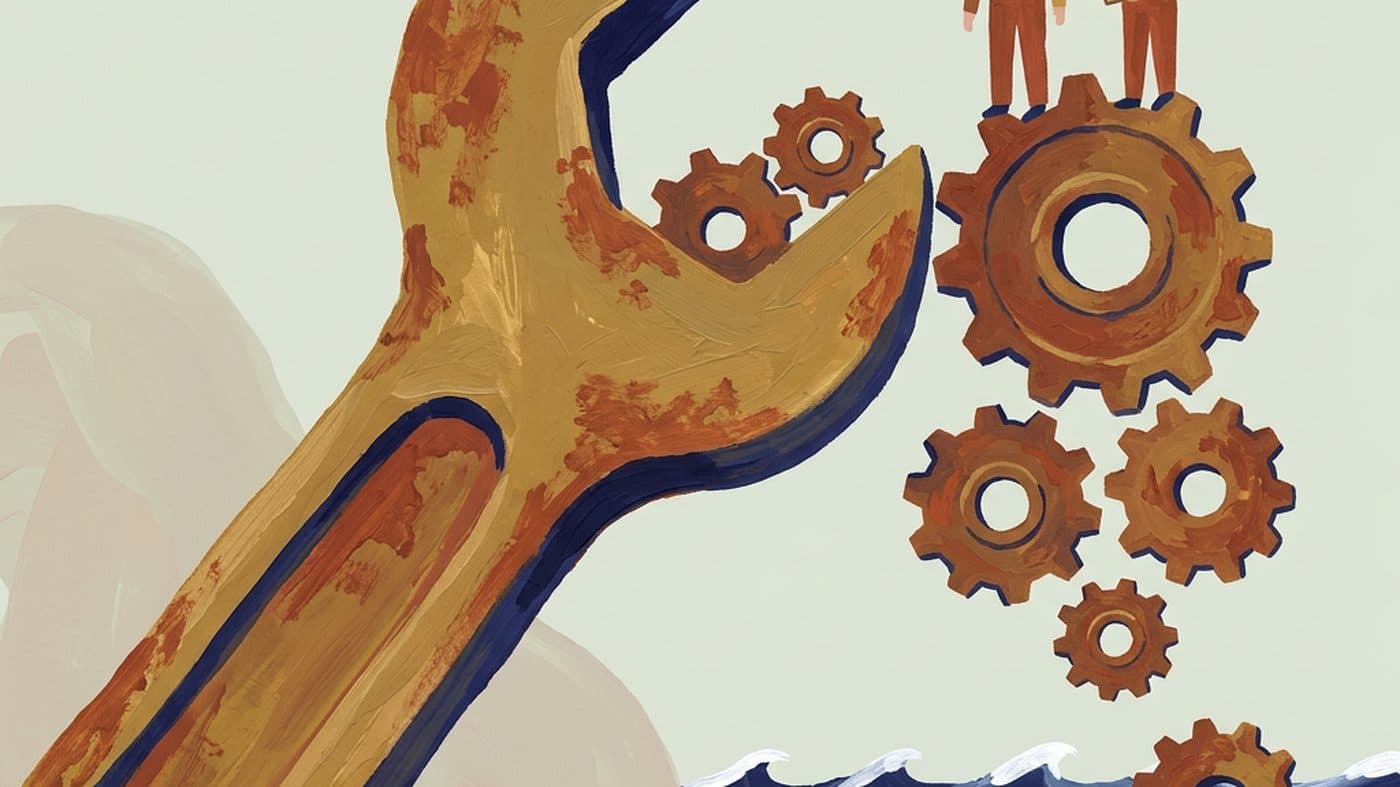
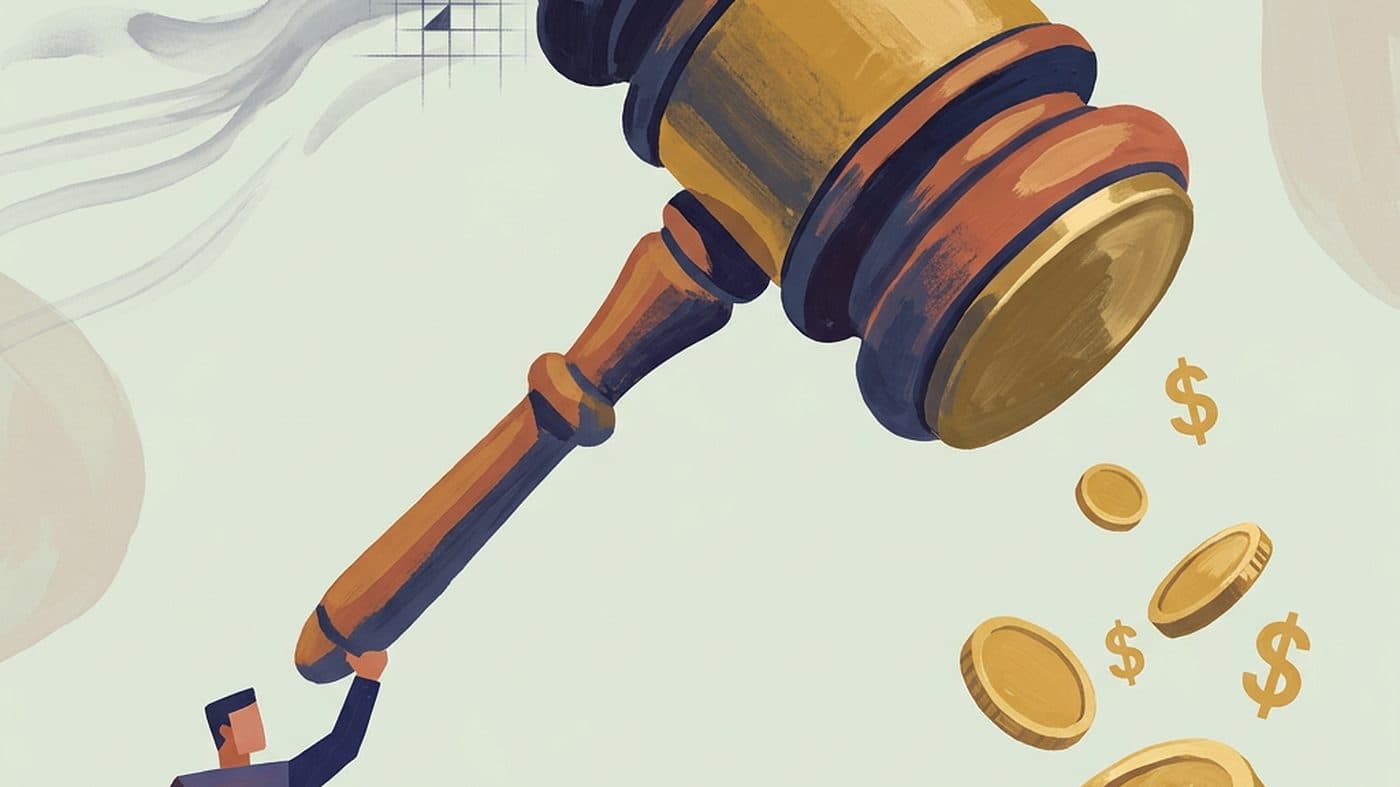
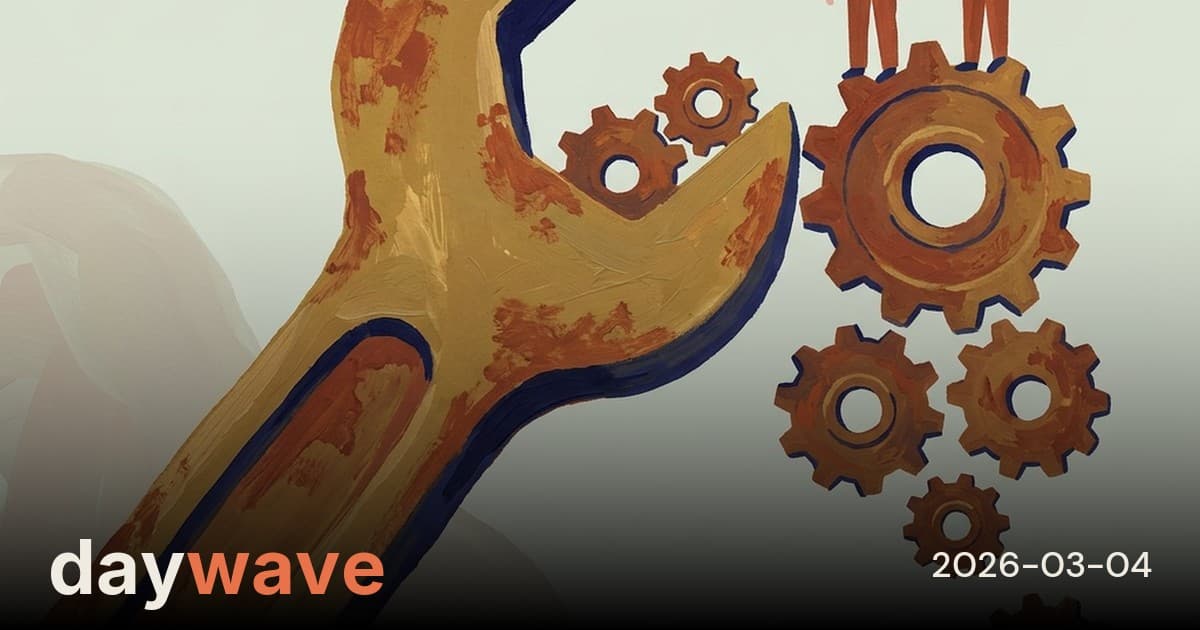
No stock photos. No gray AI slop. One look, held across every issue: painterly, a little abstract, warm. A security story gets interlocking gears. A piece on ethics gets a cracked compass. Then it builds a branded 1200x630 card so the link doesn't look like garbage when someone drops it on X. No Figma. No export step. It just shows up.
Live before I'm awake
Everything assembles into a fast static site. Full metadata, archive, RSS, the works, all rebuilt on their own. Then subscribers get the email through the system's own API. I don't push a button. I don't approve a draft.
AI's Windows 95 Moment: The Platform Is Here
AI is quietly having its Windows 95 moment. While everyone obsessed over which model scored better on which benchmark, the infrastructure layer grew up. Builders are no longer asking "what can AI do?" They're asking "how do I wire this into everything?"
Meta dropped $27 billion on compute infrastructure while planning workforce cuts. Microsoft unified its Copilot engineering teams. Google expanded Personal Intelligence to all US users. This is the new operating system for work, and companies are building for a world where AI isn't a feature; it's the foundation.
The infrastructure is ready. While we've been debating model capabilities and safety alignment, the boring stuff quietly matured. APIs that don't break. Frameworks that scale. The AI ecosystem isn't waiting for AGI anymore; it's building for the agents we have right now.
What I actually learned
Everyone automating content obsesses over the writing. That's the easy part. The hard part is deciding what's worth writing about, and teaching a machine to cut is a lot harder than teaching it to type.
And honestly? The pictures sell it more than the prose. People decide if something's worth their time before they read a word. The hero images do that work.
The rest is the boring 80% nobody posts about. Dead sources, failed image jobs, deploy gremlins at 5:58am. AI does the fun creative parts. I still spend most of my time on the plumbing.
Why it matters to me
I wanted one answer: can AI make something you'd actually rely on every day, not something you try once and screenshot. A month in, yeah. As long as you build the system instead of just poking the prompt.
No person can read every subreddit, every thread, every launch, every trending repo, score the lot, and ship a sharp brief on the best of it. Every morning. Forever. That's not a human job. It's a system's job.
So now I can't stop seeing the others. All the work where the bottleneck was never intelligence, it was just volume. Too much coming in, not enough getting filtered into something useful. There are way more of those than people think.
daywave.co goes out every morning. Free.